

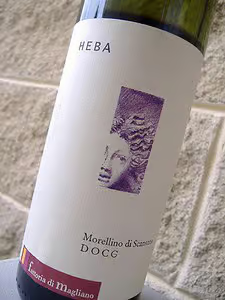
 Morellino di Scansano
The name “Morellino” comes from the local dialect, “Morello” or “Morellino” was in the past a term used to indicate the best horse.
Some think instead that the name comes from the word “moro”, to indicate the dark color of the Sangiovese grapes, just as the name “Brunello” indicates the dark color of the Sangiovese Grosso grapes.
The Morellino di Scansano DOCG is produced in the territories of Scansano, Manciano, Magliano in Toscana, Grosseto, Campagnatico, Semproniano and Roccalbegna.
It is one of the maximum expressions of Sangiovese, one of the main vines of the Tuscany region.
The particular climatic conditions of this area with hot, sunny days and nights cooled by the sea breeze give Morellino an incredible softness.
THE WINES :
The DOCG specifications include two types of wine: Morellino di Scansano and Morellino Riserva. The wine of Scansano also has its own festival “Festa dell’Uva”, which takes place every year at the end of September.
MORELLINO OF SCANSANO:
Produced with Sangiovese grapes (85% minimum) and other black grapes required by the specifications (non-aromatic grapes).+
view: intense ruby red tending to garnet with aging
nose : intense, fruity aroma, with a slight hint of grass. Complex but well defined.
taste: dry, warm and slightly tannic, with a slightly bitter final note. Minimum alcohol content 11.5°
Pairings: an ideal wine for any meal, especially if served with traditional Tuscan dishes. Perfect with medium-structured dishes, such as ragù, stews and roast or grilled meats
MORELLINO DI SCANSANO RISERVA :
To be recognized as a reserve, Morellino requires refinement in oak barrels for at least 2 years.
view: dark red color with garnet reflections
smell: intense, persistent with slight references to red berry fruit, especially plums. After barrel refinement, a light aroma of spices, especially cinnamon and vanilla
taste: dry, warm and full-bodied. The tannins give a good softness and a velvety consistency, all completed by a long taste-olfactory persistence. Minimum alcohol content 12°.
pairings: ideal with well-structured dishes, such as pappardelle with wild boar ragù, game and stews.
